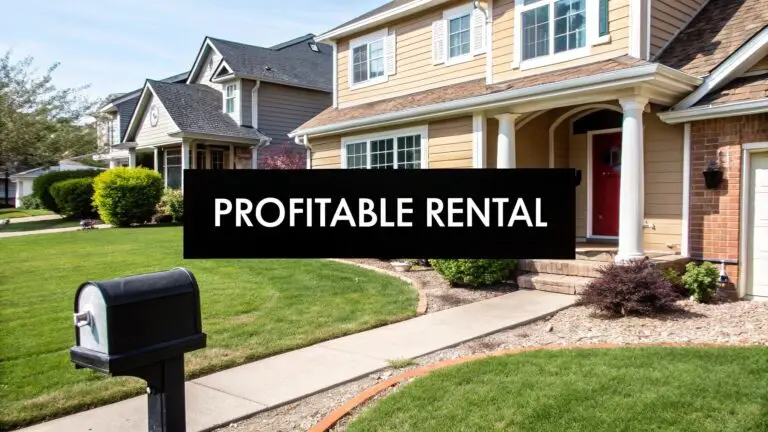
A great rental property is more than just a house—it's an asset that generates predictable income and grows in value, all with minimal hands-on effort. It’s about securing steady cash flow, attracting reliable long-term tenants, and building your equity over time. This guide breaks down exactly what to look for.
What Defines a Great Long-Term Rental Property
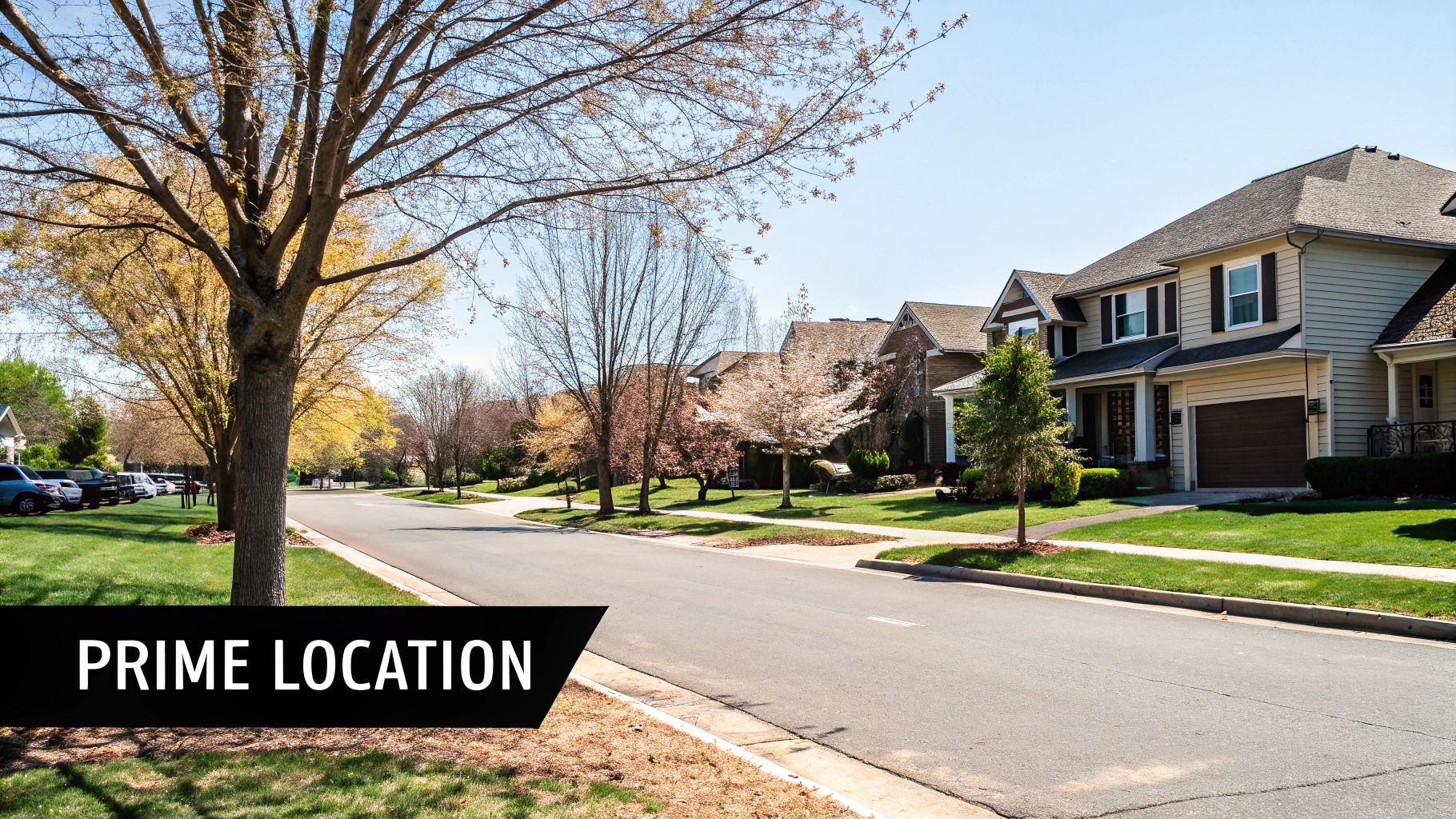
Let's cut through the noise. The true measure of a great rental isn't just owning a piece of real estate; it’s owning a stable, income-producing business. Think of it less like a home and more like a well-oiled machine, one designed to consistently build your wealth month after month, year after year.
This machine has several critical parts that must work together, from its location and features to its financial performance. When all these elements align, you get a truly passive investment that works for you, not the other way around.
Before we dive into the specific traits, let's take a quick look at the core characteristics of a successful rental investment.
Core Traits of a Profitable Rental Property
This table provides a quick overview of the essential characteristics that define a high-performing, long-term rental investment.
| Characteristic | Why It Matters for Investor Success |
|---|---|
| Prime Location | Drives tenant demand, rental rates, and long-term appreciation. |
| Appealing Amenities | Attracts high-quality tenants and justifies premium rent prices. |
| Strong Financials | Ensures positive cash flow, covers expenses, and builds equity. |
| Good Condition | Minimizes unexpected repairs and reduces tenant turnover. |
| High Tenant Demand | Reduces vacancy periods and ensures a consistent income stream. |
Each of these traits plays a vital role in turning a property from a liability into a high-performing asset that generates consistent returns.
The Stability of Long-Term Rentals
A huge part of what makes a rental property "great" is its ability to generate predictable income. This is where long-term rentals shine, offering a major advantage over the volatility of short-term or vacation rentals. While short-term stays can promise high nightly rates, they come with inconsistent occupancy, higher turnover costs, and more intensive management. The stability of a 12-month lease, by contrast, creates a reliable revenue stream you can bank on.
Long-term tenants also tend to treat a property more like their own home, which means better care and less wear and tear. That consistency is the foundation of a low-stress, profitable investment, which is why AIM focuses exclusively on long-term rental management.
For an investor, predictability is profit. A long-term lease with a qualified tenant is the single most powerful tool for ensuring consistent cash flow and minimizing the risks associated with vacancies and market fluctuations.
Grounded in Local Expertise
You can't spot a great deal without understanding the local market. Since 1997, our mature relationships and experience have been exclusively focused on managing properties in specific Southern California communities, including:
- Redlands
- Beaumont
- Calimesa
- Yucaipa
- Loma Linda
- Mentone
- Highland
- Banning
Our decades of on-the-ground experience in these areas give us deep insight into what local tenants are looking for. You can learn more by reading about the latest trends in single-family rentals in Redlands, Yucaipa, and Beaumont to see how local knowledge translates into investor success. This focus on long-term stability and deep community roots is what turns a good property into a great one.
Choosing a Location That Attracts Quality Tenants
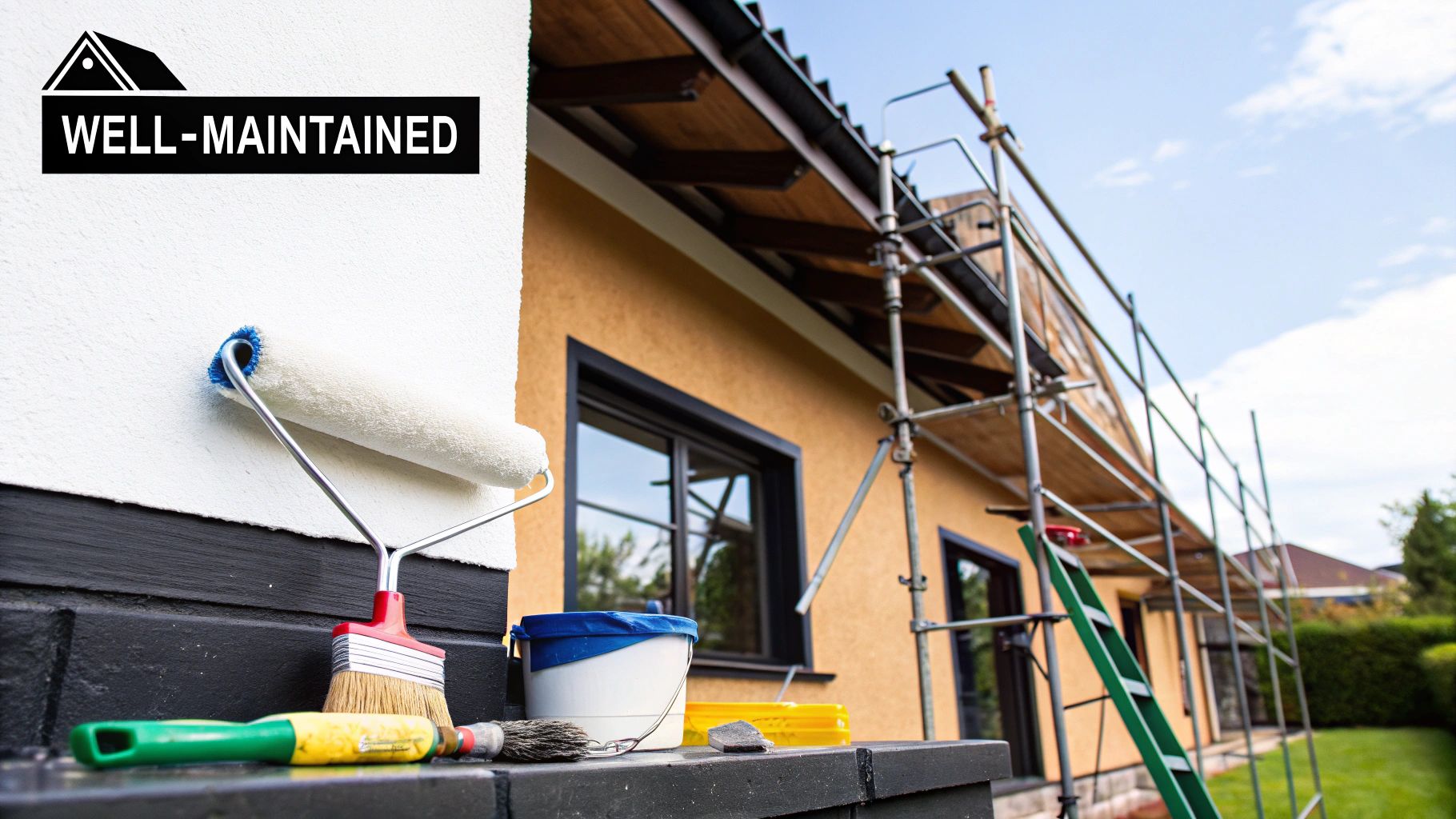
The old saying "location, location, location" is more than just a real estate cliché—it's the absolute bedrock of a successful rental investment. A great location isn't just about a desirable zip code. It's an entire ecosystem that encourages tenants to stay long-term, keeping your property in high demand.
This is the number one factor in what makes a good rental property. A strong location translates directly into lower vacancy rates and the power to command higher rent. Think about areas like Yucaipa and Loma Linda, which are magnets for quality, long-term tenants. They offer a potent mix of features that people prioritize when they're looking for a place to call home, not just a temporary stop.
Key Community Features to Analyze
When you're sizing up a neighborhood, you have to look beyond the property lines. The real value is in the surrounding community—that’s what creates lasting appeal and attracts tenants who want to put down roots.
Here’s what you should be looking for:
- Strong School Districts: This is a big one. Families will often choose a home based on the quality of local schools. Properties in reputable districts not only command higher rent but also attract stable, long-term tenants.
- Proximity to Stable Employers: Is the property near major hospitals, universities, or corporate hubs? A steady stream of qualified renters from these institutions provides economic stability and minimizes your risk.
- Access to Amenities: Convenience is king. Easy access to grocery stores, parks, restaurants, and healthcare facilities makes a location incredibly desirable for daily life.
These features work together to create a powerful draw, keeping your property filled with reliable tenants. A fantastic location does a lot of the heavy lifting for you, but you still have to market your property effectively. Knowing how to advertise your rental property is still critical for reaching the right audience.
A property in a thriving community ecosystem becomes a magnet for the best tenants. They aren't just renting a house; they are investing in a lifestyle, which is why they are more likely to sign long-term leases and care for the home.
Ultimately, by choosing a location with a solid foundation of community and economic stability, you ensure your investment doesn't just generate consistent income but also grows in value over time.
Running The Numbers For A Profitable Investment
A fantastic location is a great start, but it's only half the story. If the numbers don't work, even the best property can become a financial headache. Before you even think about making an offer, you have to do your homework and dig into the financials to see what its true potential is.
This means looking way beyond the asking price. A few key calculations will tell you everything you need to know about the health of your potential investment and help you compare different opportunities. One of the most important is the capitalization rate, and it’s worth learning how to calculate cap rate for rental property to sharpen your decision-making.
Calculating Your True Return
To get a realistic picture of profitability, you need to account for every single expense—not just the mortgage payment. A smart investor’s budget includes property taxes, insurance, a fund for routine maintenance, and even a buffer for potential vacancies.
But the one line item that can really eat into your profits is property management. Many companies charge 10-12% of the monthly rent, a hefty slice of your income. Here at AIM, we do things differently. Our straightforward and highly competitive 7.9% management fee and a low $750 placement fee with no other add-on fees are designed to keep more of your hard-earned money in your pocket every month.
Take a look at the image below. It highlights some of the key features that allow you to charge higher rent, which directly boosts your returns.
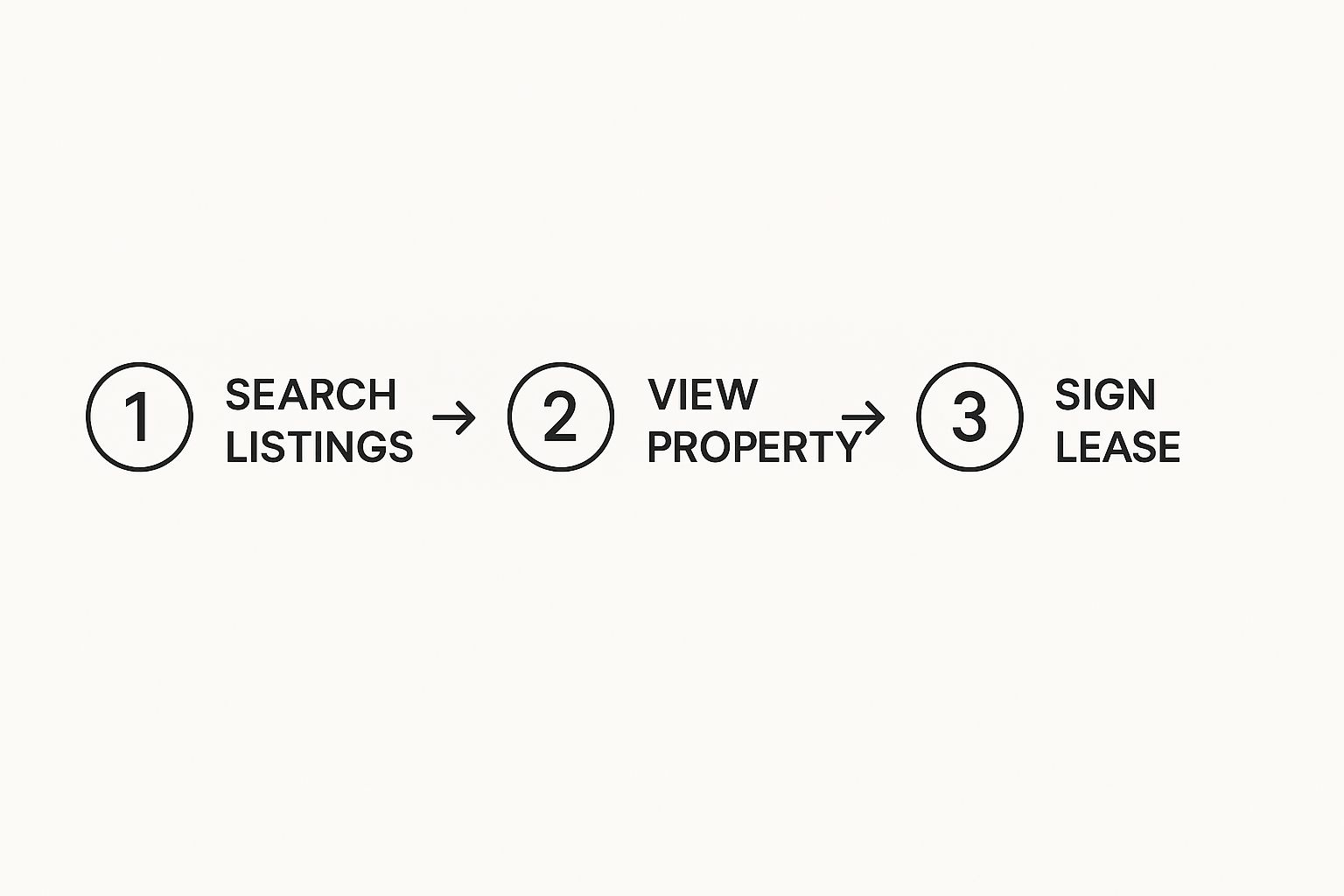
As you can see, renters today are looking for modern, updated spaces, and providing those amenities is a direct path to increasing your rental income.
Protecting Your Cash Flow
Once the numbers look good on paper, there's one last, crucial piece to the puzzle: ensuring that income actually shows up. This all comes down to finding the right tenant.
A great, long-term tenant is the engine that keeps your investment running smoothly. On the flip side, a bad tenant can completely derail your finances with late payments, property damage, and legal headaches. That's why thorough, professional tenant screening is an absolute must. To protect yourself, it's essential to know the top 5 tenant red flags every landlord should watch for before you hand over the keys.
A property's potential is only realized when the numbers are solid and the income is dependable. Underestimating expenses or failing to secure quality tenants are the two quickest ways to turn a promising investment into a financial burden.
By carefully running the numbers and making tenant quality a top priority, you can move forward confidently, knowing you’ve found a genuinely profitable rental property.
The Strategic Advantage of Long-Term Rentals
When you're playing the real estate game, stability is your winning card. Sure, short-term rentals flash the promise of a quick buck, but they often bring a truckload of volatility, hands-on management, and regulatory headaches along for the ride. For serious investors focused on building real, lasting wealth, the better strategy is clear.
Long-term rentals, which we define as having leases of a year or more, offer a predictable and wonderfully consistent stream of revenue. This consistency shields your investment from the seasonal slumps and market swings that can hammer vacation properties. Instead of getting caught in a never-ending cycle of bookings, cleanings, and reviews, you secure a reliable income you can actually count on, month after month.
Consistency Over Volatility
At its core, a great rental property is one that generates dependable cash flow with as few surprises as possible. Short-term rentals are basically the polar opposite; their income can swing wildly depending on tourism trends, local events, or even just a week of bad weather.
A solid 12-month lease is your best defense against that kind of uncertainty. It locks in your revenue, makes financial forecasting a breeze, and drastically cuts down the time you have to spend on marketing and tenant turnover. That consistency is the bedrock of a truly passive investment.
Long-term tenants start to develop a sense of ownership and community. They're far more likely to care for the property as if it were their own, which means less wear and tear and a more stable, respectful relationship.
This stability doesn't just protect your bottom line—it protects the asset itself and fosters a much healthier dynamic between you and your tenant.
Reduced Management and Better Tenants
Let's be honest: the day-to-day grind of a short-term rental is intense. You're constantly communicating, scheduling, and cleaning. Long-term rentals, on the other hand, are far less hands-on, especially when you have the right support in your corner. A great property manager can handle the few issues that pop up, freeing you to focus on finding your next deal. To get this part right, it's absolutely vital to understand how to choose the right property management company for your specific goals.
By focusing on long-term stability, you naturally attract a higher caliber of tenant—people and families looking for a home, not just a place to crash for a weekend. This simple philosophy is the key to securing your peace of mind and making sure your investment stays profitable for years to come.
What’s the Property’s Real Condition and Appeal?
The physical state of your property is a huge piece of the puzzle. It directly impacts your ability to attract—and keep—great tenants. Think about it: a well-maintained home doesn't just look good on a listing, it justifies a higher rent and, more importantly, keeps those dreaded 2 a.m. emergency repair calls to a minimum. That protects your cash flow and your sanity.
Before you even think about paint colors or curb appeal, you need to play detective with the expensive stuff. We’re talking about the "big ticket" items that can sink your investment fast: the roof, foundation, plumbing, and electrical systems. These are the bones of the house. A leaky roof or a 50-year-old electrical panel can wipe out your profits for months, so getting a thorough professional inspection is non-negotiable.
Are You Offering What Today’s Renters Actually Want?
Once you’ve confirmed the property is solid, it’s time to focus on the features that make renters sign a lease—and pay a premium for it. Modern tenants aren't just looking for a place to sleep; they’re looking for a home that fits their lifestyle.
Here’s what’s in high demand right now:
- Updated Kitchens and Bathrooms: This is where the magic happens. Clean, modern fixtures and reliable appliances are often the deciding factor for a renter choosing between two similar properties.
- Open Layouts: A floor plan that feels open and spacious can make a smaller property feel much larger and more welcoming. It's a huge psychological win.
- Plenty of Storage: Never underestimate the power of good storage. Walk-in closets, a pantry, or a garage are practical perks that people are willing to pay more for.
- A Slice of the Outdoors: Even a small yard, patio, or balcony can be a massive selling point. It offers a private space to relax and sets your property apart from a sterile apartment complex.
The sweet spot for an investment is often a property that’s move-in ready but still has a few smart, value-add opportunities. This lets you start collecting rent right away while giving you a clear path to boost your equity down the road.
At the end of the day, a successful rental property is a blend of what looks good on paper and what appeals to real people. Keep an eye on local trends, too. Things like energy-efficient appliances and pet-friendly policies are becoming must-haves for many renters, and catering to that demand can drastically lower your vacancy risk.
If your property is sitting empty, it can be tough for people to imagine themselves living there. This is where tools like virtual home staging apps come in handy. They can help you showcase the property’s full potential and attract a much wider pool of qualified applicants, getting it rented faster.
Why an Experienced Partner Maximizes Your ROI
Finding a property with great potential is a huge first step, but it’s just that—a first step. What truly turns a good rental into a great investment is expert management. Without it, even the most promising property can fall short, costing you both time and money.
A seasoned property management partner does more than just cash rent checks. They have the know-how to unlock your property's real earning potential, especially in the competitive markets we call home, from Redlands and Beaumont to Yucaipa and Banning.
Leveraging Decades of Local Insight
We’ve been on the ground here since 1997, building solid, trusted, and mature relationships within these communities. That’s not just a talking point; it's a real-world advantage that lets us place high-quality, long-term tenants faster than anyone else. Our deep local roots mean we know exactly what renters in Loma Linda, Calimesa, and Highland are looking for in a home.
Choosing the right manager is as crucial as choosing the right property. A great partner transforms a hands-on headache into a source of truly passive income, ensuring your investment works for you, not the other way around.
Our entire focus has always been on the stability of long-term rentals. They provide consistent income and attract tenants who treat your property like their own home. We've spent decades refining our process, and we pair that deep experience with an unbeatable value.
Our low 7.9% monthly management fee and flat $750 placement fee with no other add-on fees are structured to keep your expenses low and your returns high. It’s that simple.
If you’re ready to learn more about making this critical decision, check out our guide on how to find a good property manager to see just how much of a difference the right team can make.
Common Questions from Local Investors
When you're figuring out what makes a great rental property in communities from Redlands to Banning, a few questions always come up. Here are some straightforward answers.
How Much Should I Really Budget for Maintenance?
This is a big one. A good rule of thumb is to set aside 1% of your property's value each year for maintenance. So, for a $450,000 home in Yucaipa or Highland, you’re looking at about $4,500 a year.
Another simple way to think about it is the 50% rule. This guideline suggests that about half of your gross rent will go toward all your expenses besides the mortgage—things like repairs, insurance, and property taxes. It's a quick gut check to see if the numbers will work.
Is a Single-Family Home Better Than a Multi-Family Property?
Honestly, there’s no single right answer—it all comes down to your goals.
Single-family homes, like the ones you see in Mentone or Calimesa, tend to attract stable, long-term tenants who treat the place like their own. They also typically appreciate in value more steadily over time. On the other hand, multi-family units can be cash-flow machines. With several streams of rent coming in under one roof, a single vacancy won't stop your income cold.
Thorough tenant screening is non-negotiable for long-term rentals. It's the single most important step to protect your asset, minimize risks like property damage, and ensure the consistent, reliable cash flow that defines a successful investment.
Ultimately, the best choice depends on whether you're aiming for long-term appreciation or immediate cash flow, and how hands-on you want to be.
Maximizing your rental property's potential is a lot easier when you have a partner with deep local roots and a refreshingly transparent fee structure. Since 1997, AIM PROPERTY MANAGEMENT COMPANY has helped investors like you succeed with our low 7.9% management fee and a simple $750 placement fee with no other add-on fees. Let our experience work for you. Find out more at our website.